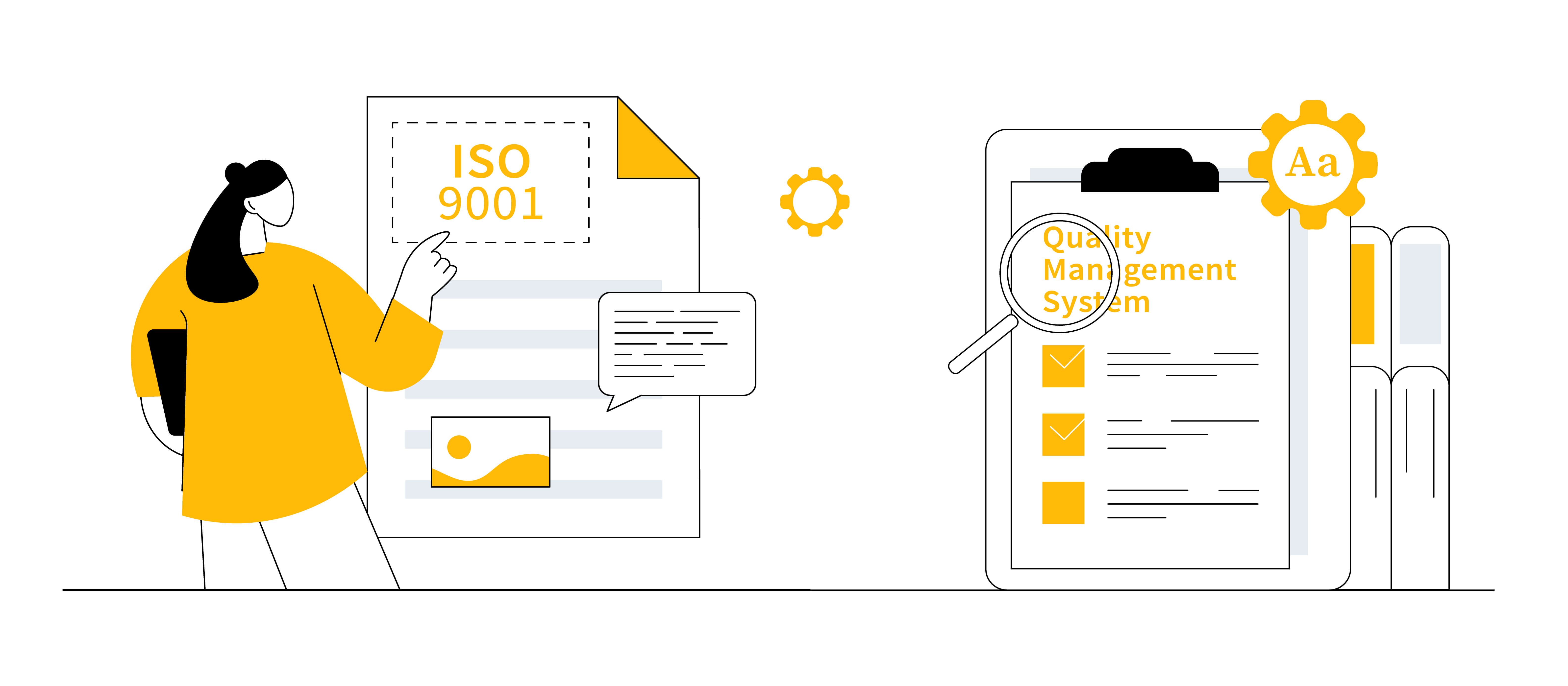
2026 is an important year for organisations working towards or maintaining their ISO certifications, as two widely recognised management system standards are currently undergoing revision: ISO 14001 and ISO 9001, the leading environmental and quality management systems.
The changes have been seen as an evolution of current standards, rather than revolutionary. However, they do pose new expectations that organisations need to consider ahead of recertification. Read on to find out how these changes will affect your organisation.
Understanding the new ISO 14001
The new edition of ISO 14001 was officially published on 15th April 2026 and aimed to build upon the foundations of the previous 2015 version, while providing “clearer guidance, more intuitive navigation, and stronger alignment with key environmental priorities”. It also integrated the 2024 climate change amendment, which determines whether climate change is a relevant issue for businesses.
Organisations that are already certified have until approximately May 2029 to transition to the new standard. These are just updates, which means most organisations with an established environmental management system should not need to rebuild their framework from scratch. However, there are several important areas where the standard has been strengthened.
A wider business focus
One of the biggest changes is the broader focus on the organisation's overall structure. Businesses now need to consider internal and external environmental factors that could influence their operations, including climate change, biodiversity, ecosystem health, and resource availability.
The standard also introduces a new dedicated clause on change management, requiring organisations to take a more structured approach to planning and controlling changes that could affect environmental performance, according to ISO.
A move to lifecycle thinking
Organisations are encouraged to take a broader view of environmental impacts across the entire lifecycle of a product or service, from raw materials and production through to use, disposal, and the wider value chain. It considers the environmental responsibilities associated with suppliers, external partners, and other activities beyond an organisation's direct operations.
This means that environmental management is no longer just about what happens within your own four walls, but about understanding how your broader operations, suppliers, and decisions affect the environment, too.

What to expect from ISO 9001
While ISO 14001 has already moved into its transition period, attention is now shifting to ISO 9001. The Final Draft International Standard for ISO 9001:2026 has been released, and publication is expected in September 2026. Organisations will again have around three years to transition, taking the deadline to approximately 2029.
The changes to ISO 9001 are targeted rather than transformational, and it will continue to focus on effective quality management, but there is a stronger emphasis on areas that reflect how organisations operate today.
A continuation of quality management
One of the key themes is quality culture and ethical behaviour, extending beyond policies and procedures. It encompasses how leadership behaves, how decisions are made, and whether quality is genuinely embedded across the organisation.
The updated standard is also expected to provide clearer treatment of risks and opportunities, helping organisations take a more proactive approach rather than reacting after issues arise.
More expectation on climate considerations
Climate considerations are also expected to be more visible in ISO 9001:2026, bringing it further into alignment with the broader sustainability agenda seen across other ISO management standards.
A closer alignment with other ISO accreditations
The revised version will align more closely with the harmonised structure used across other ISO standards, which should make it easier for organisations operating multiple management systems to keep everything joined up.
For organisations certified to multiple ISO standards, this closer alignment makes it easier to operate an integrated management system. Common processes such as leadership, risk management, document control, supplier assurance, and continual improvement can be managed more consistently across standards, reducing duplication, and making systems easier to maintain.
Why these changes matter
Although these updates are not dramatic overhauls, they do reflect a wider shift in expectations. Quality, environmental responsibility, ethical behaviour, and organisational culture are becoming increasingly interconnected. All parties are looking for compliance and evidence that systems are working in practice and that leadership is actively driving continual improvement.
The transition is about updating documents and consistently asking whether your management systems are still delivering value to the organisation. Aspects like environmental risks, supply chains, legislation, and business priorities are always changing. Reviewing your management systems as part of the transition can often identify improvements that go well beyond meeting the latest revision, helping to strengthen governance, improve efficiency, and support better business decisions.
The updates to ISO 14001 and ISO 9001 are a reminder that standards evolve in step with business expectations. Organisations that prepare early can gain an opportunity to strengthen systems, improve consistency, and reinforce confidence at every level of the business. Whether you are focused on environmental management, quality assurance, or wider operational improvement, now is the time to review where you stand and begin planning your next steps.
How we can help
If you are certified to ISO 14001, now is the right time to start preparing for the new edition. Organisations that prepare early won't just be ready for their next audit; they'll have the opportunity to strengthen their systems, improve operational consistency, and ensure their management systems continue to support the way their business works.
As an organisation certified to ISO 9001, ISO 14001, ISO 27001, and ISO 13485 ourselves, we understand first-hand that maintaining a management system isn't simply about passing audits. The real value comes from embedding processes that genuinely support the way a business operates.
Our consultants can carry out gap assessments against the revised requirements, review your Environmental Management System (EMS) documentation, and help you develop a practical transition plan. We also provide guidance on the new expectations around change management, lifecycle thinking, and the management of externally provided processes, products, and services.
Alongside maintaining our own certifications, we provide ISO consultancy services to help organisations prepare for certification, strengthen existing management systems, and successfully manage standard revisions and transition periods. Whether you're preparing for ISO 14001:2026, planning for ISO 9001:2026, or looking to enhance your wider compliance framework, our specialists can guide you through every stage of the process. Get in touch with our team to start preparing with confidence.